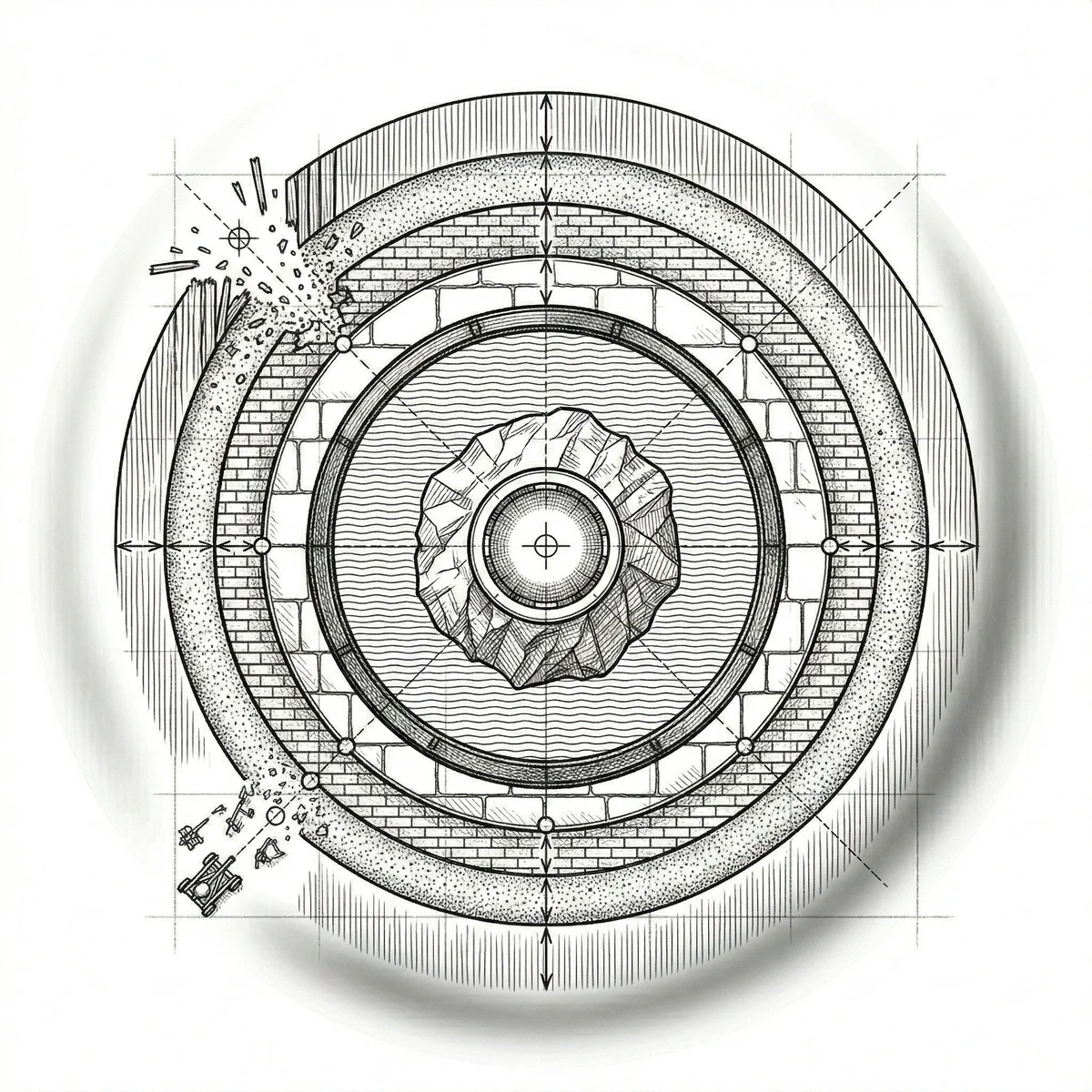
The Moat Audit – Castle cross-section revealing uneven moat depth

Strategy & Competition

Mental Model No. 003

The
Moat
Audit

Four Structural Tests That Separate Real Defensibility from the Story You Tell Investors

“In business, I look for economic castles protected by unbreachable moats.”
Warren Buffett
Strategy & Decision Economics & Markets Operations & Execution

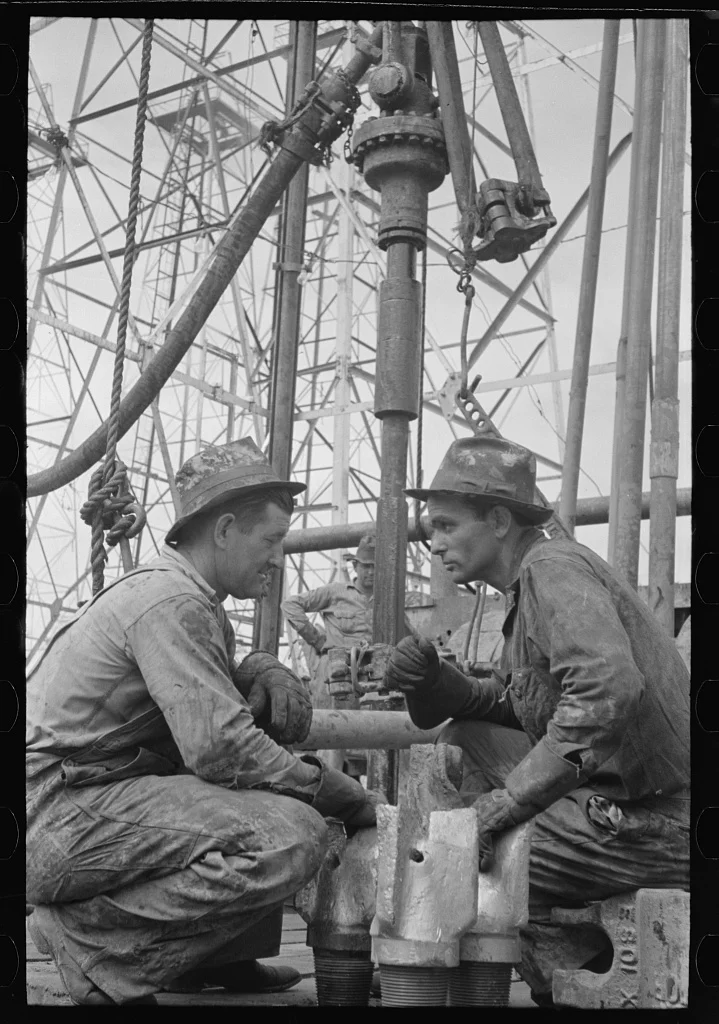
A company called Castronics threads pipe. The entire business. Forty-five dollars of carved grooves on a $3,000 steel section, performed in a location where failure means six figures of idle labor and no replacement within a hundred miles. Nobody switches vendors to save ten dollars. The ratio is the moat. Not the technology, not the brand, not the patent portfolio. This model delivers four structural tests that expose whether a business is actually defended or merely telling a good story about defensibility.

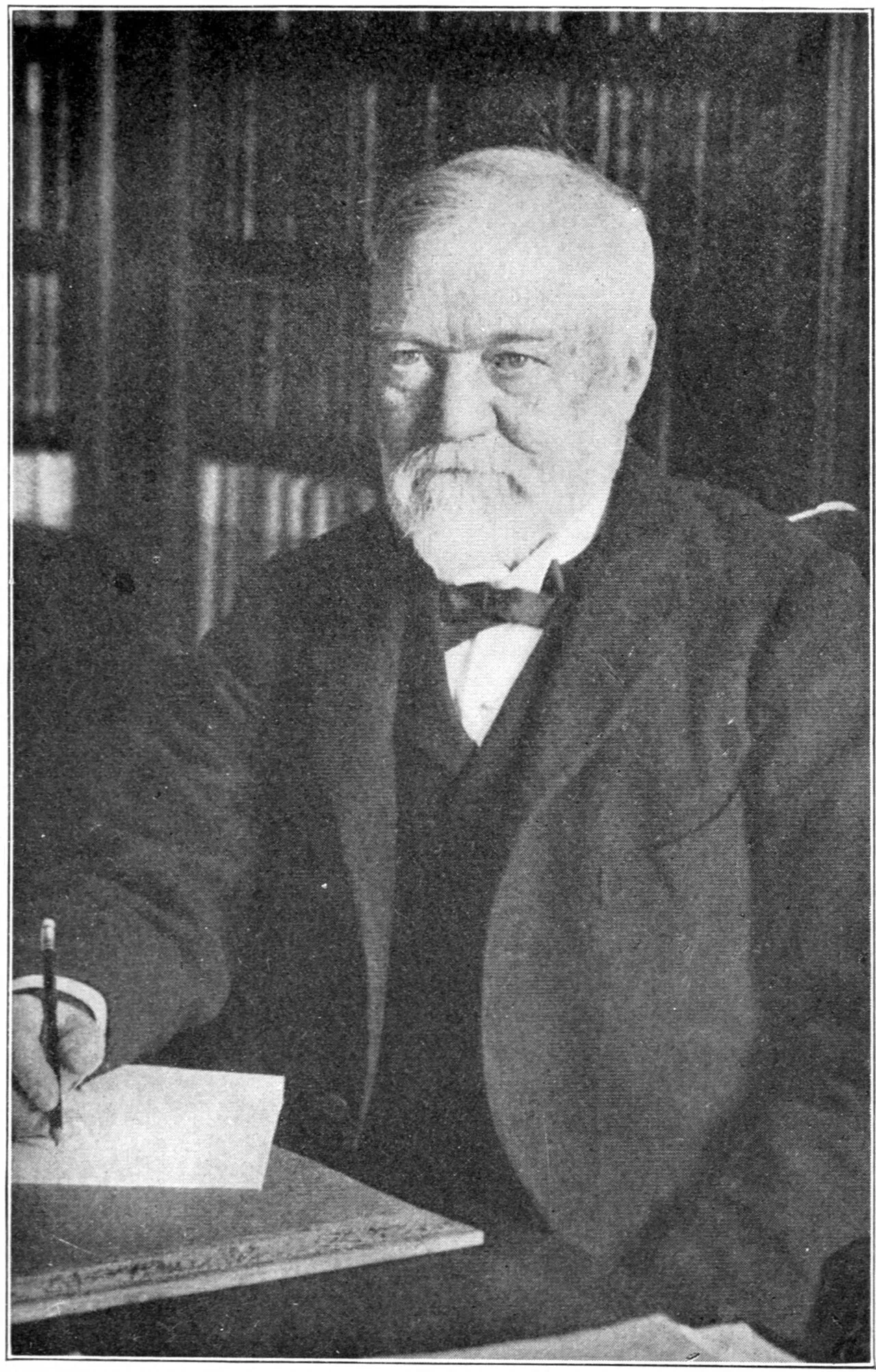
Andrew Carnegie, c. 1905
Andrew Carnegie · 1835–1919
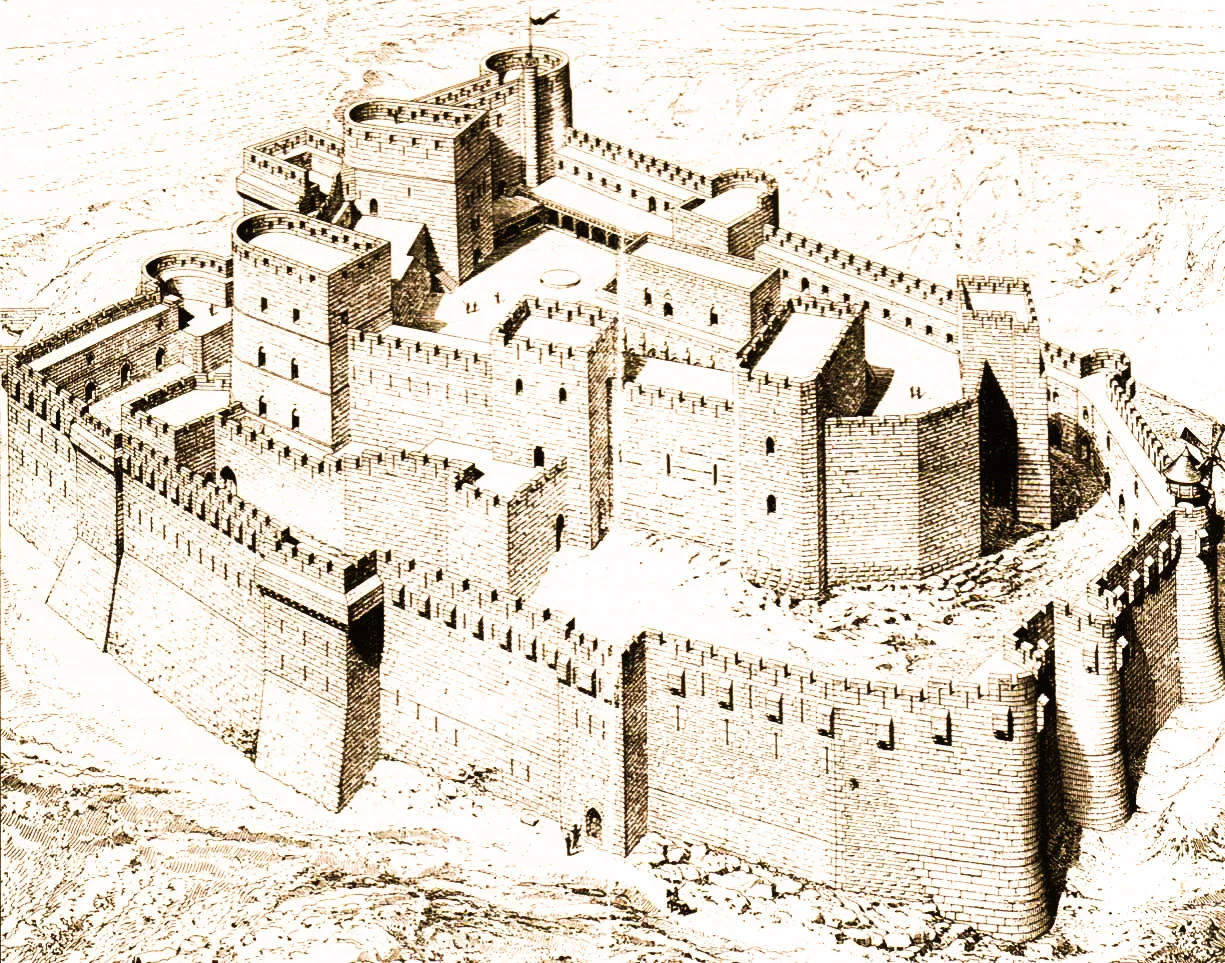
Krak des Chevaliers – Crusader Castle

The Castle and the Moat · Structural Defensibility

1995

“In business, I look for economic castles protected by unbreachable moats.”

Andrew Carnegie in plaid suit
The Master Builder · Pittsburgh, PA

A company called Castronics threads pipe. That is the entire business. Oil and gas operators buy thirty-foot sections of steel pipe at roughly $3,000 each, lower them into wells, and bolt them together underground. The threading, the carved grooves at the end of each section that determine whether two pieces of steel fit together under thousands of pounds of pressure or leak catastrophically, costs $45. Forty-five dollars on a $3,000 pipe. If the threading fails, the crew discovers it at a remote drilling site with six figures of labor standing idle and no replacement within a hundred miles. Nobody switches threading vendors to save $10.

The ratio is the moat. Not the technology, not the brand, not the patent portfolio. The ratio between what the service costs and what failure costs makes the switching decision irrational for any competent operator. Castronics does not need to be ten times better than its nearest competitor. It needs to be good enough that the risk of changing exceeds any conceivable savings. At $45 on $3,000, it always will. The procurement officer who switches threading vendors to save his company $10 per pipe and then causes a blowout at a remote well site will not get the chance to explain his cost-savings initiative. He will get a box for his desk.

Most competitive analysis begins with the wrong question. It asks: What makes this company special? That question flatters the subject and produces flattering answers. It is the business equivalent of asking someone to list their strengths in a job interview: you will hear about leadership and attention to detail, and you will learn nothing useful. The Moat Audit asks four different questions, each designed to expose a specific mechanism that either shields a business from competition or is quietly failing to do so. These mechanisms do not care about your narrative. They do not care about your culture deck or your Net Promoter Score or the standing ovation at the all-hands meeting. They operate on the physics of incentives, costs, and time, and they will tell you the truth about where you stand whether you want to hear it or not.

Four modes. Each tests for a different species of defensibility. Run all four. The business that passes one and fails three has a story, not a fortress.
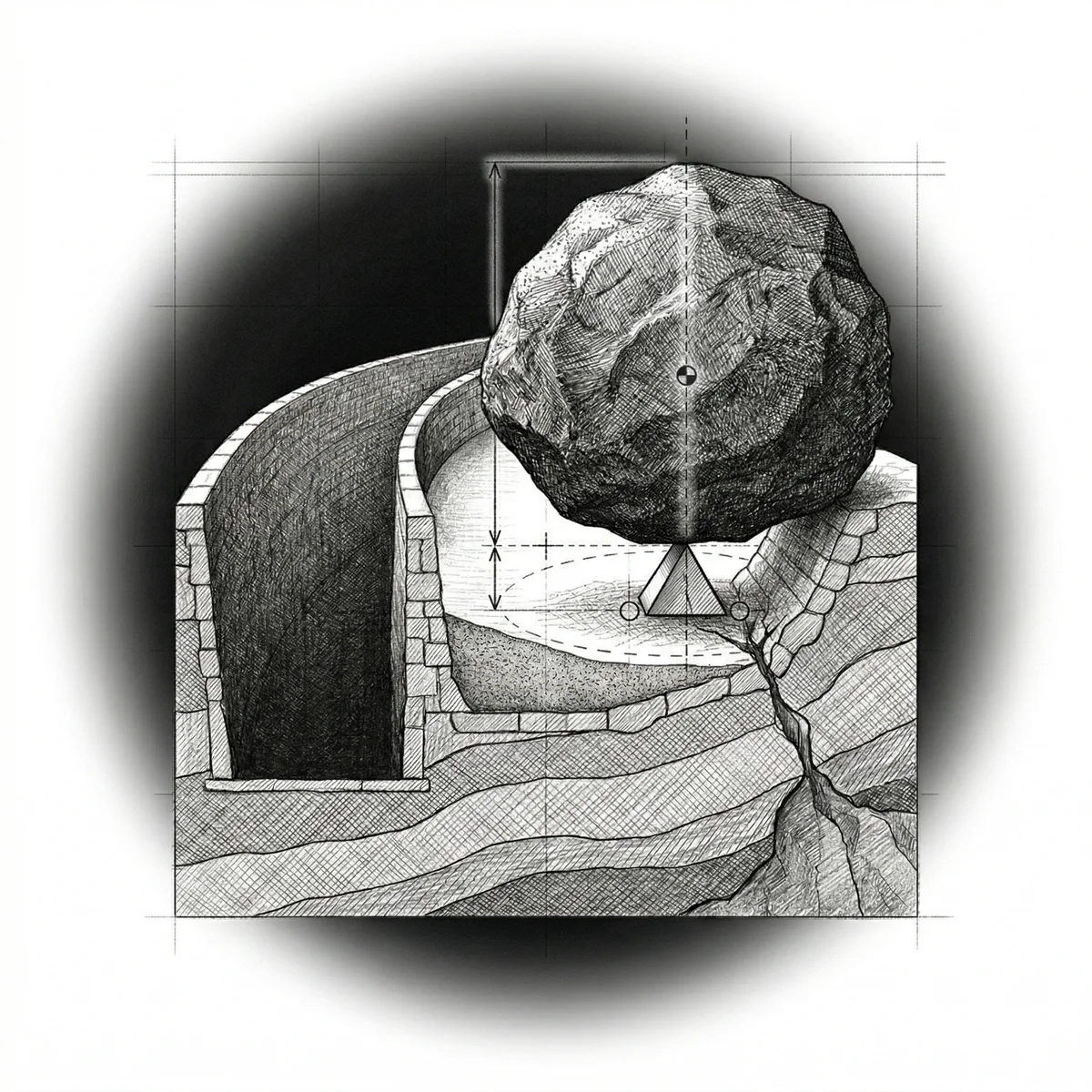

Massive boulder balanced on tiny fulcrum
01

Mode One

The Ratio Test

When does your cost become invisible inside a larger decision?

“Risk comes from not knowing what you’re doing.”
Warren Buffett

Amadeus installs reservation systems for airlines and hotels. The installation is expensive and complex. Amadeus bears the entire upfront cost, capitalizes it on the balance sheet, then recovers it through per-transaction fees over ten-to-fifteen-year contracts. The customer pays nothing on day one. Every booking that flows through the system repays the investment by fractions of a cent. An undercapitalized competitor cannot offer the same terms. The moat lives in the balance sheet required to give the installation away, not in the quality of the software.

Think about what that financial architecture does to a would-be competitor. You are a brilliant engineer. You have built a better reservation system. Faster, cleaner, cheaper to run. Congratulations. Now go find the capital to install it for free at a hundred airlines, absorb a decade of negative cash flow on each deployment, and wait for per-transaction fees measured in fractions of a cent to make you whole sometime around 2037. Your Series A investors will be thrilled. Building a better mousetrap is a cliché precisely because everyone can do it. Financing the installation of that mousetrap across a hundred airline operations for free, over a decade, with no revenue for years? That is where ambition meets arithmetic and arithmetic wins. Amadeus figured out something that most technology companies never learn: the hardest thing to replicate in business is almost never the product. It is the financial structure that delivers the product.

Epic Systems won the electronic health records market through a version of the same mechanism, compressed into a panic. When the HITECH Act forced hospitals to digitize in 2009, market penetration sat at 9%. By 2014 it reached 95%. Absorb that number. An entire industry went from nearly zero digital adoption to near-total adoption in five years. In a sprint like that, where every hospital in America had to choose a system under a government mandate with a hard deadline, nobody experimented. Nobody ran the scrappy startup’s pilot program and waited to see what happened. Hospitals chose the option most likely to work on day one, because the cost of a failed implementation was an entire institution unable to access patient records. Epic was the high-price, high-reliability vendor, and its premium was a rounding error against the cost of getting it wrong.

Forced-adoption windows expose something about competition that peacetime dynamics conceal entirely. When buyers have time, they shop. They compare. They pilot three vendors and negotiate for months. When buyers are sprinting against a government deadline, they grab the safest option the way a drowning person grabs a rope: without inspecting the manufacturer. The five-year sprint from 9% to 95% compressed a full decade of market selection into a single panicked purchasing cycle. The winner captured the installed base. The installed base hardened into switching costs. The switching costs solidified into a fortress. That fortress endures two decades later, built in a window that lasted less than five years. If you are waiting for the market to “mature” before competing with the incumbent, you have probably already lost. Markets often consolidate in compressed bursts where the reliable option sweeps the board, then locks in. The window opens and closes before the strategy textbook finishes printing.

The Ratio Test isolates a specific condition: when your product represents a small fraction of the customer’s total cost, and the consequences of failure are disproportionately large, price competition becomes irrelevant. In thermodynamic terms, the energy required to switch exceeds the energy saved by switching, and no rational actor makes that trade. Not whether your product is better. Whether the savings from switching could ever justify the risk.

Diagnostic

What percentage of your customer’s total cost does your product represent, and what does failure cost them? If the ratio is 100:1 or greater, you occupy a position that no price war can breach.

Standard Oil Refinery – Cleveland, Ohio
Standard Oil Refinery No. 1 · Cleveland, Ohio · The Industrial Moat
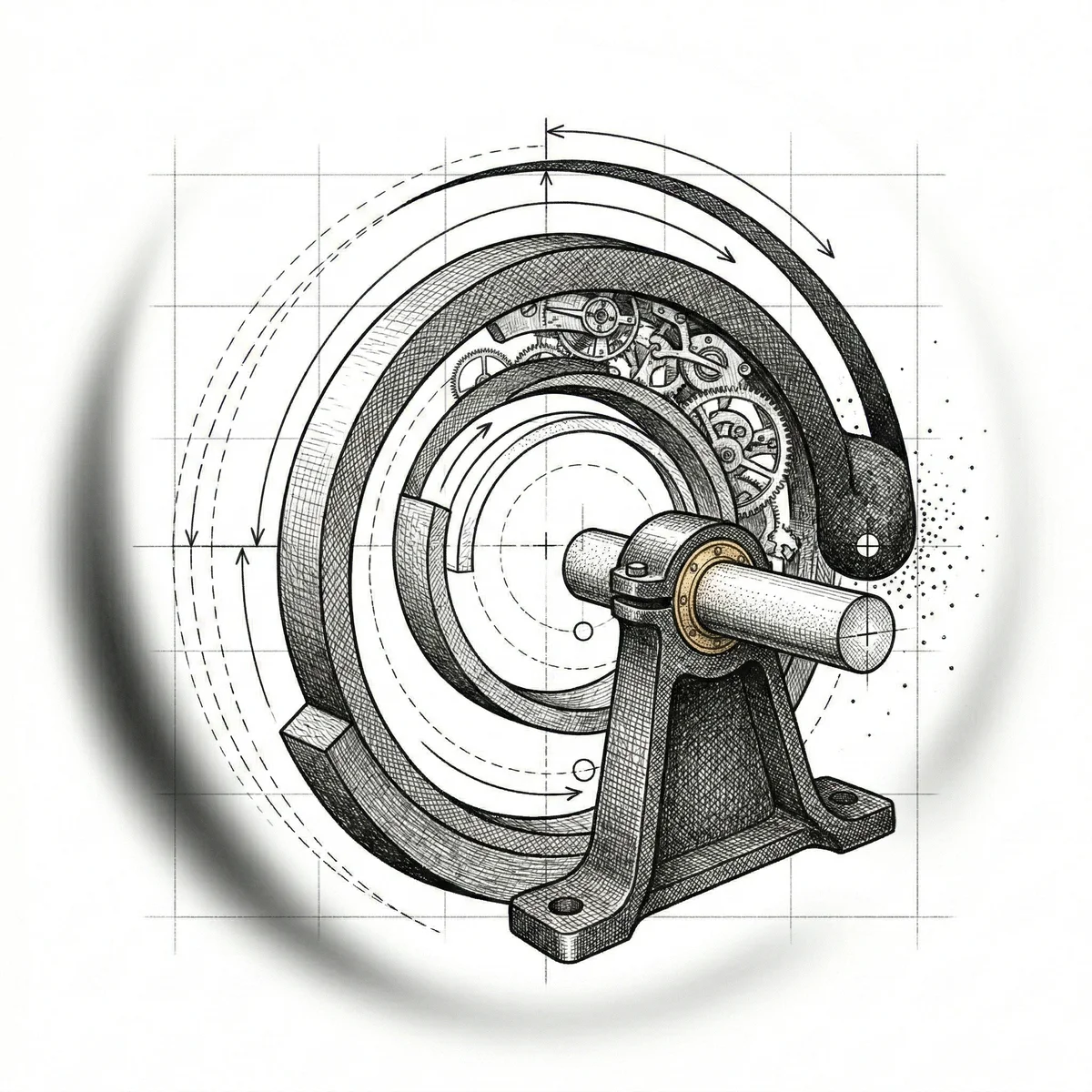
Spiral flywheel accumulating mass with each rotation
02

Mode Two

The Flywheel Scanner

Does each turn of your business make the next turn faster?

“Increasing returns are the tendency for that which is ahead to get further ahead, for that which loses advantage to lose further advantage.”
W. Brian Arthur

Costco turns inventory 12.4 times per year. Walmart turns eight. Home Depot turns five. Those numbers look like operational metrics. They are financial architecture. At twelve-plus turns, Costco sells through its entire inventory in roughly 26 days. Standard supplier payment terms are net 30. The arithmetic: Costco has zero dollars of its own money tied up in inventory. It sells the product, pockets the cash, and pays the supplier four days later. Sometimes it turns merchandise two or three times before the invoice comes due. Costco’s suppliers are financing its operations, and the faster Costco sells, the more free capital it generates. This is a negative cash conversion cycle, and it is the engine underneath everything that makes Costco work.

Wall Street spent decades asking Costco why it did not raise margins. The question revealed a misunderstanding so complete it bordered on comedy. Raising margins would slow velocity, because higher prices reduce the rate at which customers buy. Slower velocity would lengthen the cash conversion cycle. A longer cycle would require Costco to finance its own inventory. The entire machine, the machine that generates free capital the way a hydroelectric dam generates electricity from gravity, would collapse because an analyst wanted to see 15% margins instead of 12%. Jim Sinegal, Costco’s founder, compared the temptation to raise margins to heroin. He was being precise, not colorful. The first hit feels like found money. The second weakens the system that generates the money. The third kills it.

Cloudflare built a seven-step reinforcing loop: low bandwidth costs enabled product-led growth, which attracted long-tail customers, which sent more traffic through Cloudflare’s servers, which generated more security data, which improved DDoS protection and speed optimization, which attracted enterprise customers willing to pay premium rates, which sent still more traffic through the network, which gave Cloudflare the volume to negotiate lower peering deals with ISPs. Seven steps. Each feeds the next. Remove any single step and the loop still functions, weakened but intact. That redundancy is what separates a flywheel from a sequence. A sequence breaks when you remove a link. A flywheel degrades gracefully. Think of it in biological terms: a sequence is a food chain, where removing one species collapses everything downstream. A flywheel is a coral reef, where damage to one organism triggers adaptation, redistribution, continuation. If your strategy has a single point of failure, you have a chain. If your strategy has redundant reinforcement loops, you have a living system.

Kalanick discovered this same architecture at Uber. Lower prices increased rider demand. More demand attracted more drivers. More drivers reduced wait times, which increased ride frequency, which built enough density to cut prices further. The flywheel did not just capture market share from taxis. It manufactured demand that did not previously exist. People who never would have hailed a cab at 2 AM in a neighborhood with no taxi stands started requesting rides because the wait was three minutes and the price was predictable. The flywheel conjured its own customers, which is the difference between capturing a market and inventing one. TSMC runs the same pattern in semiconductors: revenue from fabless chip designers funds R&D into more advanced process technology, which attracts the next generation of designers, which generates the revenue to fund the next node. At 50% gross margins and 40% operating margins, each cycle converts profits directly into the next cycle’s technological lead. Competitors who cannot match those margins cannot fund the next node. Competitors who cannot fund the next node fall further behind. The gap widens by design.

The Flywheel Scanner asks a binary question: does each rotation make the next rotation stronger, or does each rotation merely follow the last? A sequence is linear. Step one, step two, step three. A flywheel is circular. Step three feeds back into step one with compounding force. Most businesses that claim flywheels actually operate sequences. The tell is in the investor deck. If the arrows between stages are aspirational rather than mechanical, if the feedback loop requires a paragraph of explanation rather than being obvious from the diagram, you are looking at a sequence dressed in flywheel clothing. If you have raised money in the past three years, there is a very good chance the word “flywheel” appears in your deck. There is an equally good chance it is mislabeled.

Diagnostic

Draw your business cycle on a whiteboard. If you cannot draw an arrow from the last step back to the first, with each iteration producing more of the input the first step requires, you have a sequence. You may have a good sequence. You may have a profitable sequence. But you do not have a flywheel.

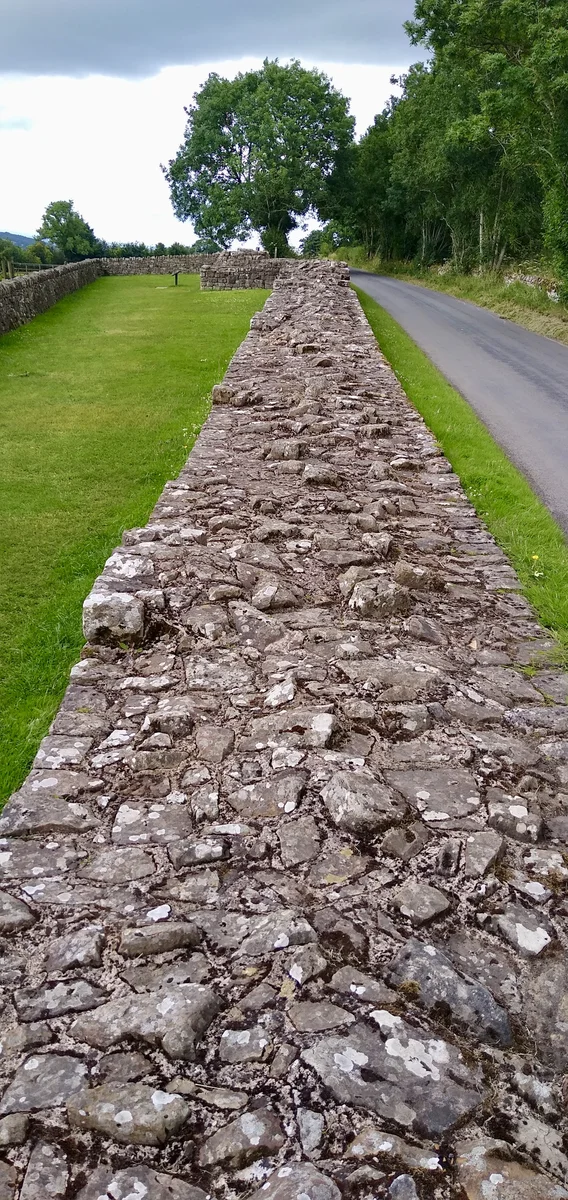
Hadrian’s Wall at Banks East, Brampton, Cumbria
Hadrian’s Wall · Brampton, Cumbria · Defense in Depth Since 122 AD
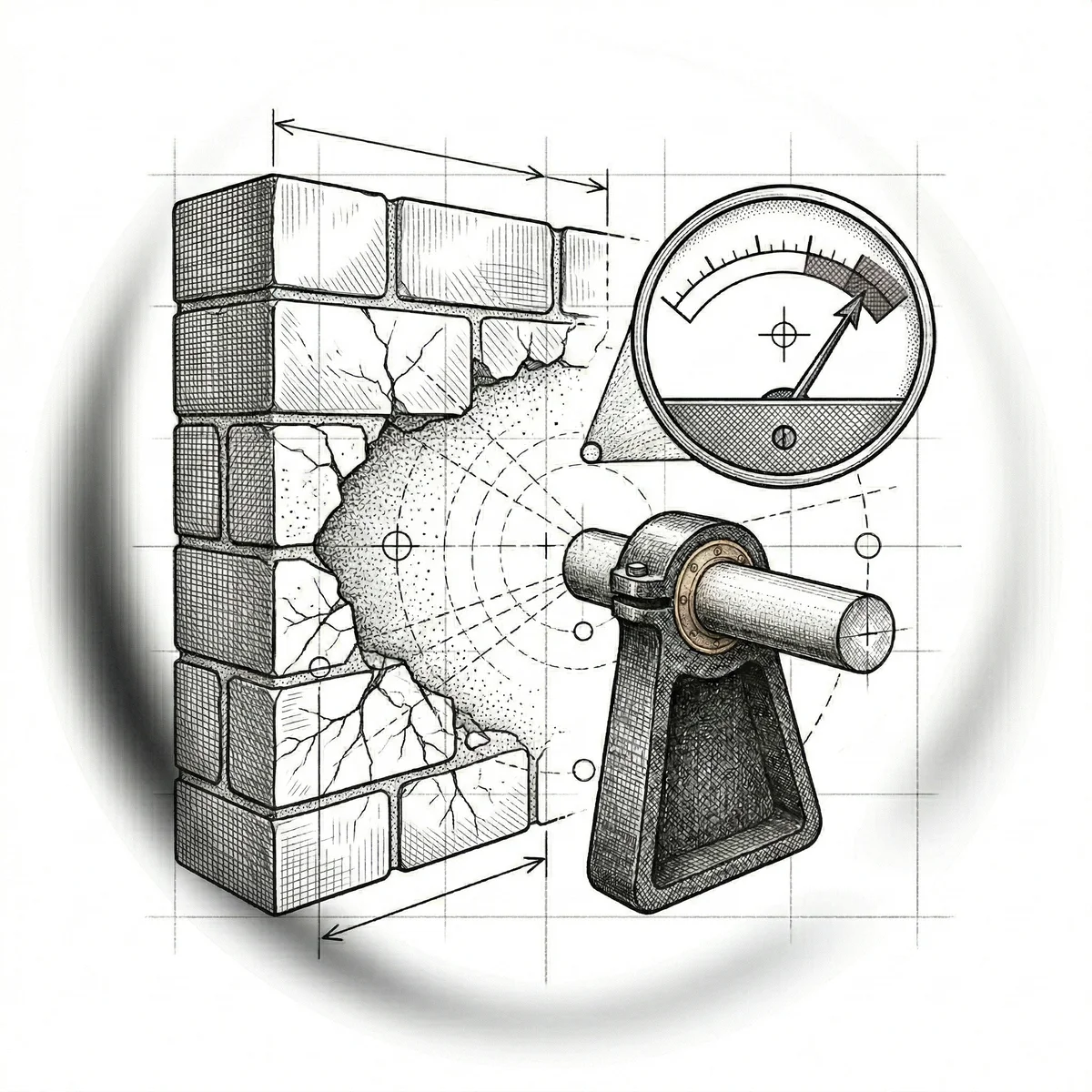
Geiger counter reading danger on intact-looking wall
03

Mode Three

The Decay Clock

How fast is your advantage eroding, and can you see it happening?

“It is not the strongest of the species that survives, nor the most intelligent, but the one most responsive to change.”
Leon C. Megginson, paraphrasing Darwin

In 1996, Kodak employed 140,000 people, generated $16 billion in revenue, and controlled over two-thirds of the global film market. Bill Ackman invokes this history when he channels Buffett’s castle-and-moat metaphor, then names the companies that had the widest moats of their generation: Kodak. Polaroid. Both dominant. Both commanding the kind of market share that makes founders weep with envy. Both gone. The defensive perimeter did not shrink gradually. It evaporated when the underlying technology shifted, and neither company could rebuild fast enough because the new game required entirely different capabilities than the old one.

Ackman’s conclusion explains why his firm avoids technology companies entirely: someone is always building a better version. Not a statement about whether technology companies are good investments. A statement about half-lives. Kodak’s defense was chemical film processing. Silver halide crystals, precision coating, global darkroom supply chains constructed over a century. Digital photography required semiconductor expertise, software engineering, and consumer electronics distribution. Three capabilities Kodak did not possess and could not acquire fast enough. The ground did not erode from under the castle. The ground shifted to a different continent, and the castle sat alone on soil that nobody needed anymore.

Every competitive edge has a half-life. Most strategy conversations ignore this, which is why most strategy conversations produce false confidence. The Ratio Test edge, the Castronics $45-on-$3,000 position, has a half-life measured in decades because it depends on a feature of the customer’s economics, not on any specific technology. A technology-based edge has a half-life measured in years, sometimes months. Which category does yours belong to? And are you measuring the half-life, or just assuming it is long because things have been going well? Radioactive decay does not announce itself. Neither does competitive decay. Both proceed silently until the Geiger counter starts clicking.

Neil Mehta at Greenoaks applies this thinking to foundation AI models with surgical precision. His firm has stayed out of the model-building race, and his reasoning is exact: foundation models are bad businesses in the way airlines are bad businesses. Massive capital investment producing an asset that depreciates over twelve months, requiring equivalent reinvestment the following year. The asset never compounds. Each generation starts from approximately the same position. A capital treadmill, and there is a reason no airline has ever built durable dominance despite seventy years of trying: you cannot build lasting defensibility on an asset that is worthless in twelve months. The model you trained last year is already obsolete. The model you are training now will be obsolete next year. The capital required to stay in the race never decreases. Not a business. A subscription to relevance.

Malcolm McLean invented containerized shipping, and it transformed global trade. But McLean never built a durable position around the innovation. Competitors and regulators moved too fast for him to lock up ports, secure exclusive agreements, or standardize on proprietary technology. The moment containerization’s benefits became obvious, around 1965, every large shipping line entered the business.

Obviousness is the enemy of defensibility. Counterintuitive and worth sitting with. The same window that proves your innovation works is the window that attracts every well-capitalized competitor who can see exactly what to build. Standardized boxes on standardized ships: obviously faster, obviously cheaper. You could see it from the dock. NVIDIA’s CUDA developer community, by contrast, was invisible for years because the edge was abstract, software abstractions running on specialized hardware, and required deep technical expertise to evaluate. Containerized shipping had a visible fortification window of approximately zero. CUDA had an invisible one of roughly a decade. The correlation is nearly perfect: the more obvious your innovation, the less time you have to fortify it. The best defenses are built where competitors cannot see them until it is too late.

The defensive version of this pattern is unfolding in enterprise software right now. Systems of record, Salesforce in sales, Epic in healthcare, Clio in legal, spent years offering open APIs that let developers build on top of their platforms. Generous. Growth-oriented. The kind of strategy that earns applause at developer conferences. In 2025, they started closing those APIs. AI agent companies were using them to build competing interfaces to the same data. The incumbents recognized, some of them later than they should have, that their real asset was the data, not the interface, and that open APIs were letting competitors drain the castle from inside the walls. The lesson is old and uncomfortable: the same openness that accelerated your platform’s growth can become the channel through which a faster competitor hollows you out. What you proudly call your “platform strategy” your competitor quietly calls “free access to your most defensible asset.”

Diagnostic

If a well-funded competitor started from scratch today, how many months before they could match your current position? If that number is shrinking year over year, your edge is decaying. Revenue growth can mask this entirely. Some of the fastest-growing companies in history were losing ground. They just had not noticed yet.

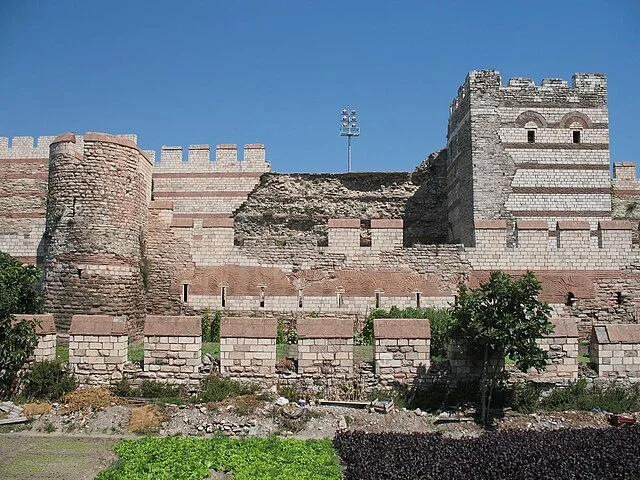
The Theodosian Walls of Constantinople

The Theodosian Walls

Constantinople · Defense in Depth Since 413 AD

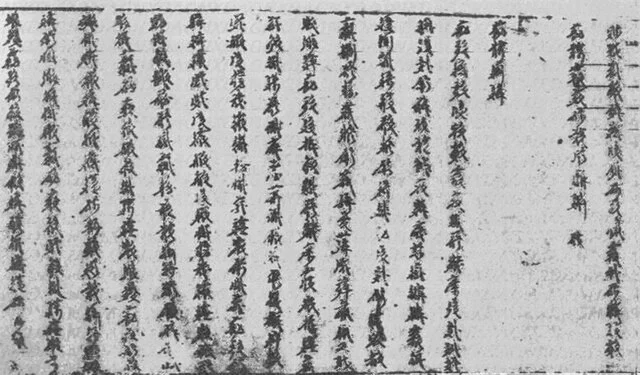
The Art of War – Tangut script manuscript

Sun Tzu · The Art of War · “It is not whether any individual layer is unassailable. It is whether the combination is.”

Seven concentric walls of different materials
04

Mode Four

The Replication Stack

How many independent layers would a competitor need to rebuild?

“You only find out who is swimming naked when the tide goes out.”
Warren Buffett

In January 2026, NVIDIA’s market capitalization crossed $3 trillion. To understand why, forget the stock price and ask a different question: what would it take to compete? You would need to design GPU chips at least as capable as what Jensen Huang’s team ships. You would need chip-to-chip networking equivalent to NVLink. You would need relationships with hardware assemblers like Foxconn, relationships that take years to develop and are not available for purchase at any price. You would need server-to-server and rack-to-rack networking as capable as Mellanox InfiniBand. You would need a software developer community comparable to CUDA’s three million developers, a community that formed over fifteen years and that no amount of marketing spend can conjure overnight. You would need manufacturing relationships with TSMC, which involves convincing the most overbooked foundry on earth to prioritize your chips over Apple’s. And you would need the enterprise reference architectures that make data center procurement a once-a-decade decision.

Seven independent layers. Each requires different capabilities, different relationships, and different time horizons to build. AMD matches the chip design. Intel has manufacturing. Google has a developer community for its own frameworks. But matching all seven simultaneously is a qualitatively different problem, the way climbing seven separate mountains is a qualitatively different challenge from climbing one mountain seven times. Each mountain requires different gear, different skills, and different weather windows. The probability of summiting one is reasonable. The probability of summiting all seven in parallel, while NVIDIA continues advancing each one, approaches zero.

The inflection point came with programmable shaders in the GeForce 3, when NVIDIA created CG, an extension of C that let developers write code directly for the GPU. Before that, GPUs executed hardcoded instructions. Fast but dumb: specialized circuits that could do one thing at silicon speed. After CG, developers could program the GPU. A software community started forming. That single architectural decision, made around 2001, is the seed of a $3 trillion market position that twenty-five years later no competitor has breached. Each subsequent layer was added over years, but the defense is the combination, not the collection. Seven thin walls, each built from different material, are stronger than a single thick wall because the attacker needs seven different siege weapons. The Roman legions understood this before anyone traded equities: defense in depth, where each barrier slows the attacker enough for the next barrier to matter, defeats concentrated force applied to a single point.

Reed Hastings built Netflix’s initial edge from entirely different material: contrarian conviction. In 1997, everyone in Silicon Valley was excited about internet delivery of video. The bandwidth was not there. The compression was not there. Hastings saw this clearly and bet on DVD-by-mail as a bridge to eventual streaming. The contrarian thesis meant Netflix had no competition in DVDs because everyone else thought DVDs were already dead. Silicon Valley was chasing the future so aggressively that it abandoned the present, and Hastings collected the present like an unguarded wallet on the sidewalk. Uncertainty repelled incumbents. The same principle protected Apple in the early PC era: large companies instinctively avoid markets where the outcome is unclear, which is precisely what makes those markets available to smaller players willing to operate in fog.

David George at a16z identifies why the end state matters: most technology markets end up winner-take-all, and the pattern holds as firmly in enterprise software as in consumer internet. There is no viable #2 to Salesforce. Workday is Workday. ServiceNow is ServiceNow. The penalty for being number two is not smaller margins. It is structural pain: harder recruiting because the best engineers want the winning platform, weaker pricing because the market already has a default, and every strategic decision a reaction to the leader rather than an independent choice. Zuckerberg grasped this earlier and more coldly than most. His February 2012 email about the Instagram acquisition laid out the logic with a clarity that should concern anyone competing with him: social products have network effects, and there are a finite number of social mechanics to invent. Photo sharing. Status updates. Messaging. Stories. Short video. Each mechanic, once won, is nearly impossible to displace. The acquisition targeted a network-effect fortress, not a photo app with thirteen employees. The price was $1 billion. In 2026, Instagram generates more than $60 billion in advertising revenue annually. The return was 60x in fourteen years, and the strategic value, preventing a competitor from owning a core social mechanic, is incalculable. Zuckerberg paid $1 billion to prevent someone else from building a second Facebook. Measured against that counterfactual, it may be the cheapest acquisition in the history of technology.

Brian Arthur’s work at the Santa Fe Institute provides the theoretical scaffolding. Classical economics assumes returns regress toward the mean. High-profit businesses attract competition that drives profits down, and the system finds equilibrium. Every introductory economics textbook ever printed describes this world, and it is wrong about the most important markets of the past fifty years. Arthur identified systems where the opposite occurs: increasing returns, where winners keep winning and losers keep losing. Returns do not regress toward the mean. They repel from it, the way magnets of the same polarity repel. Network effects, scale economies, and learning curves produce conditions where the leader’s edge compounds with each iteration. The Replication Stack is the operational version of Arthur’s insight: each layer you add does not just make you harder to replicate. It makes you harder to replicate at an accelerating rate.

Diagnostic

Count your independent layers, things a competitor would need to replicate separately, each requiring different skills, relationships, or timelines. One layer is a feature. Three layers is a defensible business. Seven layers is NVIDIA.

Carnegie Steel Works, Pittsburgh
Carnegie Steel · Pittsburgh
Dover Castle – Concentric Defenses
Dover Castle · Defense in Depth
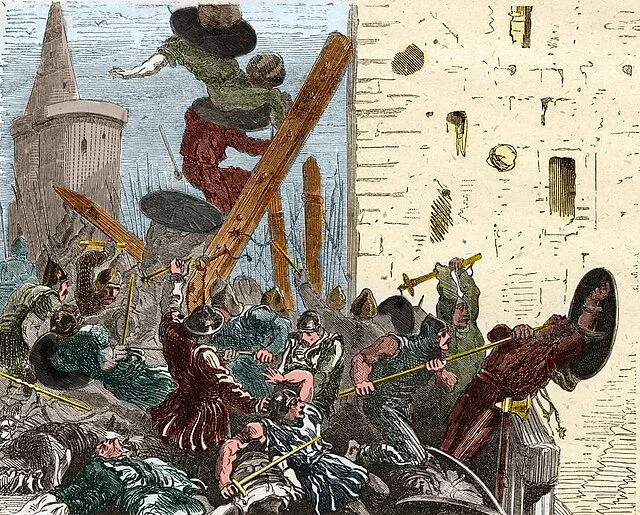
The Capture of Carcassonne
Carcassonne · Fortified City
Oil drillers at a well site
The Drilling Floor · $45 on $3,000
Building section-cut revealing hidden structural skeleton

Application

In Practice

The modes above work in isolation, but they produce their sharpest results when run in sequence against a single decision.

Two scenarios show what that looks like in real time.

Evaluating a SaaS Acquisition Target

You are considering acquiring a B2B SaaS company with $8M ARR, 92% gross margins, and 115% net revenue retention. The seller claims the product has a “deep moat.” The investment banker’s deck contains the word “defensible” eleven times and “mission-critical” nine times, which tells you what the banker wants you to believe but nothing about whether it is true. Run the four modes and find out what you are actually buying.

The Ratio Test

The product costs $2,000 per month per customer. Average customer revenue is $40M. That is a 0.06% cost ratio, which looks promising on paper. But the ratio only works if the other half of the equation, the consequence of failure, is large. If the product goes down, does the customer lose revenue, or does someone open a spreadsheet and manage manually for a week? The number to find is not the price of the product. It is the price of the product’s absence. Ask the three largest customers a simple question: what would happen if this product disappeared tomorrow? Do not ask the sales team. Do not ask the CEO. Ask the customers directly. If the answer is “we would be annoyed for a month,” the ratio is cosmetic, a small fraction of a cost that nobody cares about. If the answer is “our operations would stop,” the ratio is load-bearing. Those are different businesses at the same price, and they deserve different multiples.

The Flywheel Scanner

The 115% NRR suggests expansion revenue. Customers are buying more over time, which the seller’s deck will attribute to “product stickiness” or “deep integration.” But is the expansion feeding something that produces the next expansion? If customers expand because they add users to a seat-based model, that is a sequence: more people, more seats, more revenue, full stop. If they expand because the product accumulates their data and becomes more valuable with each month of use, that is closer to a flywheel. The definitive test: does the product get better for customer #500 because customer #499 used it? If not, the NRR is driven by sales execution, and sales execution can be outspent by a competitor with deeper pockets and less concern for profitability. Price the acquisition accordingly.

The Decay Clock

How long would it take a well-funded startup to reach feature parity? If the answer is eighteen months with a strong engineering team, the 92% gross margin is a beacon visible to every venture capitalist in San Francisco, and they can all do arithmetic. Dig into whether the defense is the product itself or the integrations. This distinction is where most acquisition due diligence fails. Products can be replicated in months. Integrations into customer workflows take years to displace, because the switching cost lives in rebuilding every process that touches the old system, not in learning the new one. A product edge protects against direct competitors. An integration edge protects against everyone.

The Replication Stack

Count the independent layers: proprietary data that improves with scale? Integration depth with adjacent systems? Regulatory certifications that took years to obtain? Distribution partnerships a new entrant cannot replicate? Brand trust built over a decade of consistent delivery? If the answer is “a good product and responsive customer support,” that is one layer. You are buying execution, and execution changes when the founding team leaves, which it will. Price accordingly. If the answer includes proprietary data, regulatory barriers, and an integration web touching six other systems in the customer’s stack, that is a different conversation, a different multiple, and a different level of confidence.

Stress-Testing Your Startup Before Series B

You are a founder with $2M ARR, growing 3x year-over-year, preparing to raise a Series B. Investors will ask about defensibility. Run the four modes before they do, because hearing your own honest answers in private is less painful than hearing a partner at Sequoia identify the gaps in front of your board.

The Ratio Test

What does your customer spend in total on the problem your product addresses, and what percentage is your price? If you are a $500/month tool inside a department spending $200K/month, you are invisible in the budget. Good for retention. But a $500 line item that nobody notices is also a $500 line item that nobody fights for when the CFO asks for cuts. The Ratio Test produces lock-in only when you can also answer: what happens if we break? If the answer is “they call support and we fix it,” the ratio is doing no work. If the answer is “their revenue stops until we are back online,” it is.

The Flywheel Scanner

At 3x growth, something is working. Map what that something is with the honesty you owe your own future. Does each new customer make the next customer easier or cheaper to acquire? If your growth depends on increasing ad spend, you have a sequence on favorable unit economics, and a sequence can be outspent by someone with more capital and less concern for profitability. If your growth depends on customer behavior that makes the product more valuable, referrals, content generation, data contribution, network density, you have the beginning of a flywheel. The distinction will determine your Series B valuation more than your growth rate does. Smart investors fund flywheels at different multiples than they fund sequences, and they know exactly why.

The Decay Clock

Your head start is measured in months, not years. At Series B, you need to articulate why a competitor with $50M and your pitch deck could not recreate your position in eighteen months. If the honest answer is “they probably could,” your edge is execution speed. Real but fragile and dependent on maintaining a team that can outrun well-funded followers indefinitely. Execution speed is a valid edge for exactly as long as you maintain the team that provides it, which means one bad quarter of attrition can destroy it. Consider what you are accumulating that a follower cannot replicate: proprietary training data, regulatory approvals, customer workflow integration, or network density. If you are not accumulating anything durable, your Decay Clock is already running, and the sound you hear is not growth. It is a fuse.

The Replication Stack

A one-layer startup at Series B is a bet on execution. A three-layer startup is a bet on compounding. Know which one you are, and price the raise accordingly. Investors who understand the difference will pay more for layers than for growth rate, because layers compound and growth rates mean-revert. If you have three layers and price the round as if you have one, you are leaving money on the table. If you have one layer and price the round as if you have three, you are setting the terms of a down round that will arrive the moment the execution edge dissipates. It will.

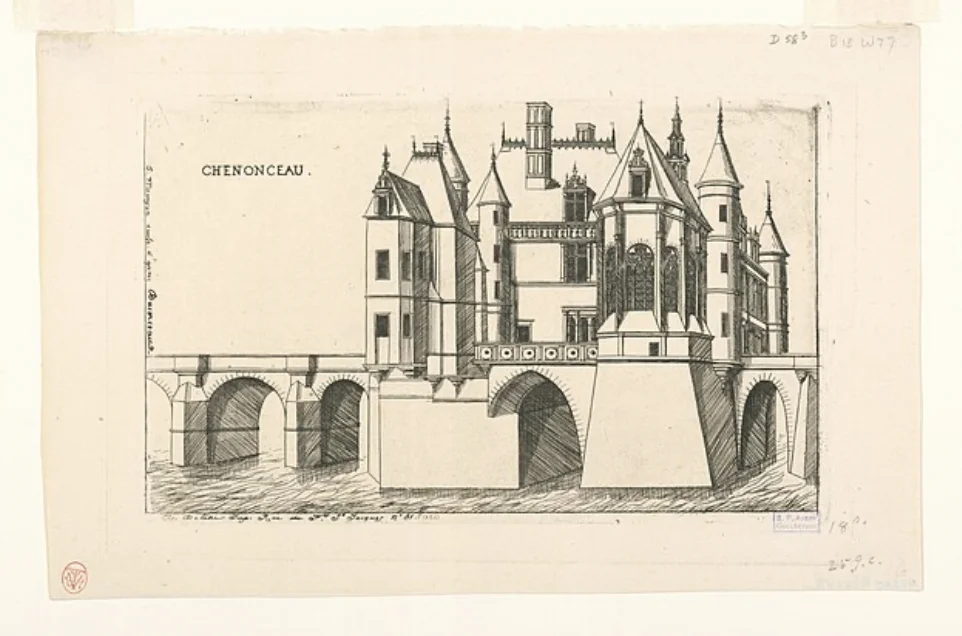
Château de Chenonceau
Château de Chenonceau · Loire Valley · Architecture as Strategy
Four measuring instruments converging on single subject

Deployment

When to Deploy

An annual physical for your competitive position. The value is in catching decay before symptoms appear.

When to Deploy

The Moat Audit is an annual physical for your competitive position. Like any physical, the value is in catching decay before symptoms appear. Run all four modes against your own business every year during strategic planning, because the edge you had in January may not be the edge you have in December. Markets do not send calendar invitations when erosion begins.

Evaluating Acquisitions & Investments

Deploy it when evaluating an acquisition target or investment opportunity at any stage. Deploy it when a new entrant appears in your market and you need to assess the actual threat level rather than the emotional one. The Ratio Test determines how much pricing freedom you have. The Flywheel Scanner tells you whether your growth compounds or merely accumulates. The Decay Clock reveals whether the competitor closing the gap is a nuisance or an existential threat. The Replication Stack measures how many years of work separate you from the field.

Product Roadmap Prioritization

Use it when prioritizing a product roadmap, because features that deepen the flywheel and features that add capability are different categories of investment, and confusing them is how product teams spend millions reinforcing a wall that nobody is attacking while leaving the gate unguarded. Use it when deciding whether to open or close platform APIs, because the Decay Clock determines the right answer, and the answer changes over time. The platform strategy that earned applause in 2018 may be the vulnerability that kills you in 2026. Ask Salesforce.

The Thesis Collision

And here is the thesis collision this model cannot avoid: every mode in the Moat Audit is designed to identify and strengthen defensibility. But Kodak had defensibility. Polaroid had defensibility. Standard Oil had the widest moat in the history of American business, and the Supreme Court broke it apart. The Moat Audit tells you the truth about where you stand today. It cannot tell you whether the ground under your feet will shift tomorrow. No model can. The value is not certainty. The value is that you stop telling yourself a story and start measuring, year after year, mode after mode, with the honesty that most strategy exercises are designed to avoid. The businesses that survive are not the ones that build the strongest walls. They are the ones that check, annually and without mercy, whether the walls are still standing.

Connected Models

The Incentive Audit. Competitive edges can be destroyed by internal incentive misalignment faster than by external competition. Run the Incentive Audit on your own organization’s relationship to the moat: are the people responsible for maintaining it compensated on time horizons that match its decay rate? A fortress that takes ten years to build and is maintained by employees measured on quarterly targets is a fortress on borrowed time. The people who build defenses and the people who maintain them require different incentive structures, and most organizations have only one.

The Inversion Stack. Before asking “How do we strengthen our position?” invert: “How would a smart competitor destroy it?” The failure map identifies which of the four modes is weakest, and that is where you are most exposed. The exercise is uncomfortable by design. If it is not uncomfortable, you are not being honest. The best time to run this inversion is when everything is going well, because that is when you can still do something about the answers.

The Hidden Cost Ledger. Many competitive edges are subsidized by hidden costs the organization has not yet recognized. The cost structure you are proud of may be the one your competitor exploits when they find a way to deliver the same value without bearing the same burden. Amadeus’s balance sheet barrier works because the competitor cannot match the financing. But if AI-driven implementation cuts deployment costs by 80%, the capital barrier dissolves overnight. Edges built on cost structures are only as durable as the cost structure itself.

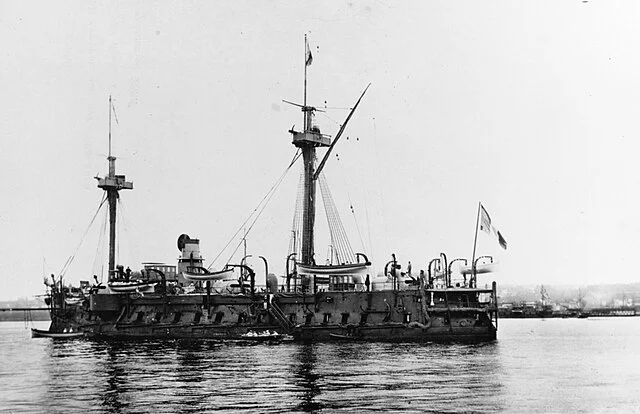
French ironclad Vauban
French Ironclad Vauban · Named for the Master of Fortification

Sources

[1] Yudkoff, Royce, and Rick Ruback. “REALLY Private Equity: How to Buy and Run Small Businesses.” Invest Like The Best, hosted by Patrick O’Shaughnessy, 18 Apr. 2017.
[2] Needham, Ben. “Amadeus: The IT Backbone of Travel.” Business Breakdowns, EP.237, Colossus, 12 Dec. 2025.
[3] Gilbert, Ben, and David Rosenthal. “Epic Systems: The Untold Story of Healthcare’s Most Powerful Company.” Acquired, 13 Feb. 2025.
[4] Gilbert, Ben, and David Rosenthal. “Costco.” Acquired, 22 Aug. 2023.
[5] Eden, Sam. “Cloudflare: Leading Cybersecurity.” Business Breakdowns, EP.241, Colossus, 11 Feb. 2026.
[6] Finck, Clay. “TIP789: The Story of Uber.” The Investor’s Podcast, 6 Feb. 2026.
[7] Gilbert, Ben, and David Rosenthal. “TSMC Remastered.” Acquired, Season 9, Episode 3, 15 Jul. 2021.
[8] Ackman, Bill. “Investing, Financial Battles, Harvard, and Politics.” Lex Fridman Podcast, hosted by Lex Fridman, 21 Jan. 2025.
[9] Stern, Jeremy. “The Visions of Neil Mehta.” Colossus Review, 13 Feb. 2025.
[10] “Innovation, Uncertainty, and Value Capture.” Article on technology disruption and competitive dynamics, 2026.
[11] Rajaram, Gokul. “Lessons from Investing in 700 Companies.” Invest Like the Best, EP.456, Colossus, 29 Jan. 2026.
[12] Gilbert, Ben, and David Rosenthal. “NVIDIA Part III: The Dawn of the AI Era.” Acquired, 10 Oct. 2023.
[13] Gilbert, Ben, and David Rosenthal. “NVIDIA Part I: The GPU Company (1993–2006).” Acquired, 26 Sep. 2023.
[14] Hastings, Reed. “Building Netflix.” Invest Like The Best, hosted by Patrick O’Shaughnessy, Colossus, 13 Feb. 2026.
[15] George, David. “Building a16z Growth, Investing Across the AI Stack, and Why Markets Misprice Growth.” Invest Like the Best, EP.450, Colossus, 2 Dec. 2025.
[16] Gilbert, Ben, and David Rosenthal. “Meta.” Acquired, 28 May 2024.
[17] Mauboussin, Michael. “Active Challenges, Rational Decisions & Team Dynamics.” Capital Allocators, hosted by Ted Seides, 8 Jan. 2018.