
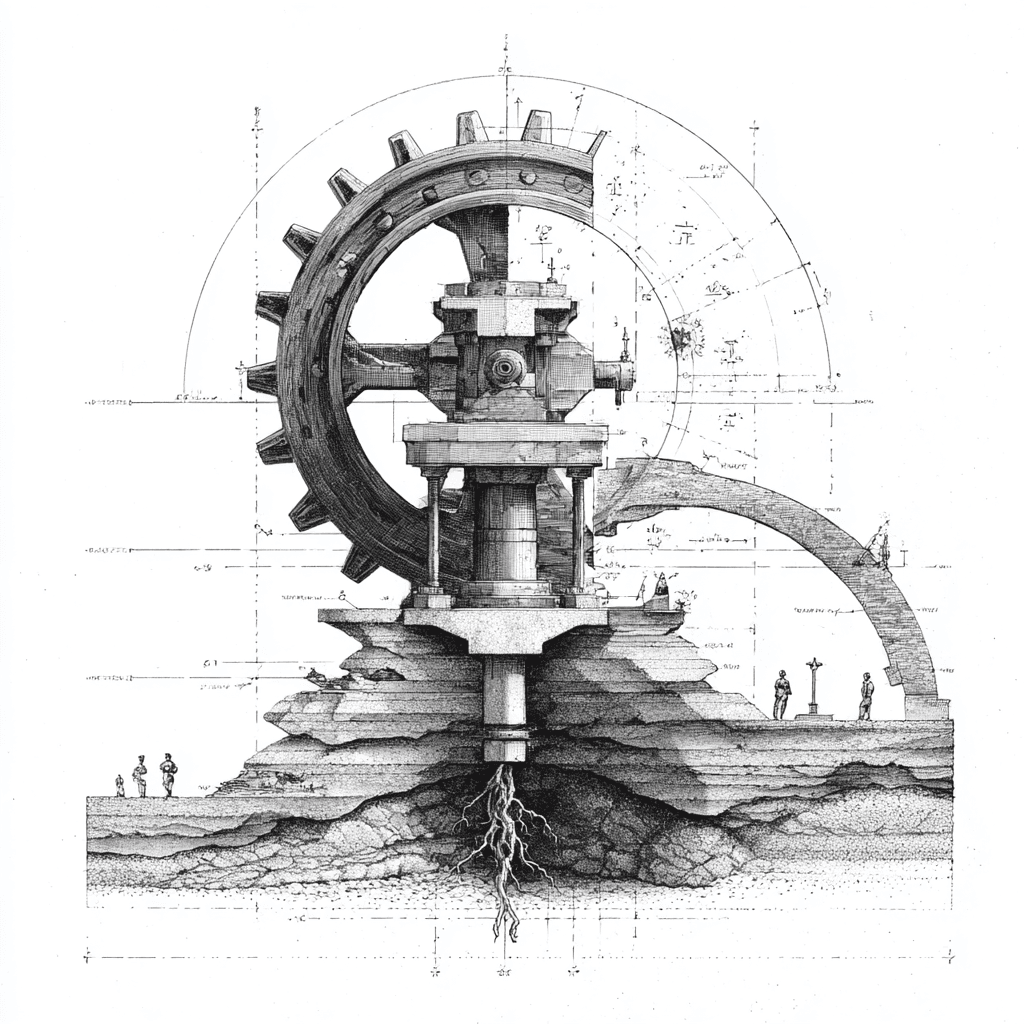
Why the Most Powerful Force in Economics Requires the One Thing Humans Cannot Sustain
In 1849, a ten-year-old in upstate New York loaned fifty dollars to a farmer and received $3.50 in interest, as much as ten days hoeing potatoes. The arithmetic was the revelation: capital compounds while labor does not. Ninety years later, another ten-year-old arrived at the same place through a penny weighing machine and a bedroom full of compound interest tables. This volume traces the structural architecture of accumulation across four thousand years of evidence, from Sumerian salt poisoning the soil one irrigation season at a time to Nvidia's six-month chip cycle building a knowledge ratchet no competitor could reverse, and names the five structural interventions that function whether you are disciplined or lazy, patient or panicked, clear-eyed or self-deceived.
“I believe the power to make money is a gift from God... I believe it is my duty to make money and still more money.”
— John D. Rockefeller
I believe the power to make money is a gift from God... I believe it is my duty to make money and still more money.
— John D. Rockefeller
In 1849, a ten-year-old in upstate New York loaned fifty dollars to a farmer and received $3.50 in interest, as much as ten days hoeing potatoes. The arithmetic was the revelation: capital compounds while labor does not. Ninety years later, another ten-year-old arrived at the same place through a penny weighing machine and a bedroom full of compound interest tables. This volume traces the structural architecture of accumulation across four thousand years of evidence, from Sumerian salt poisoning the soil one irrigation season at a time to Nvidia's six-month chip cycle building a knowledge ratchet no competitor could reverse, and names the five structural interventions that function whether you are disciplined or lazy, patient or panicked, clear-eyed or self-deceived.