Trust, Reputation, and the Morgan Problem
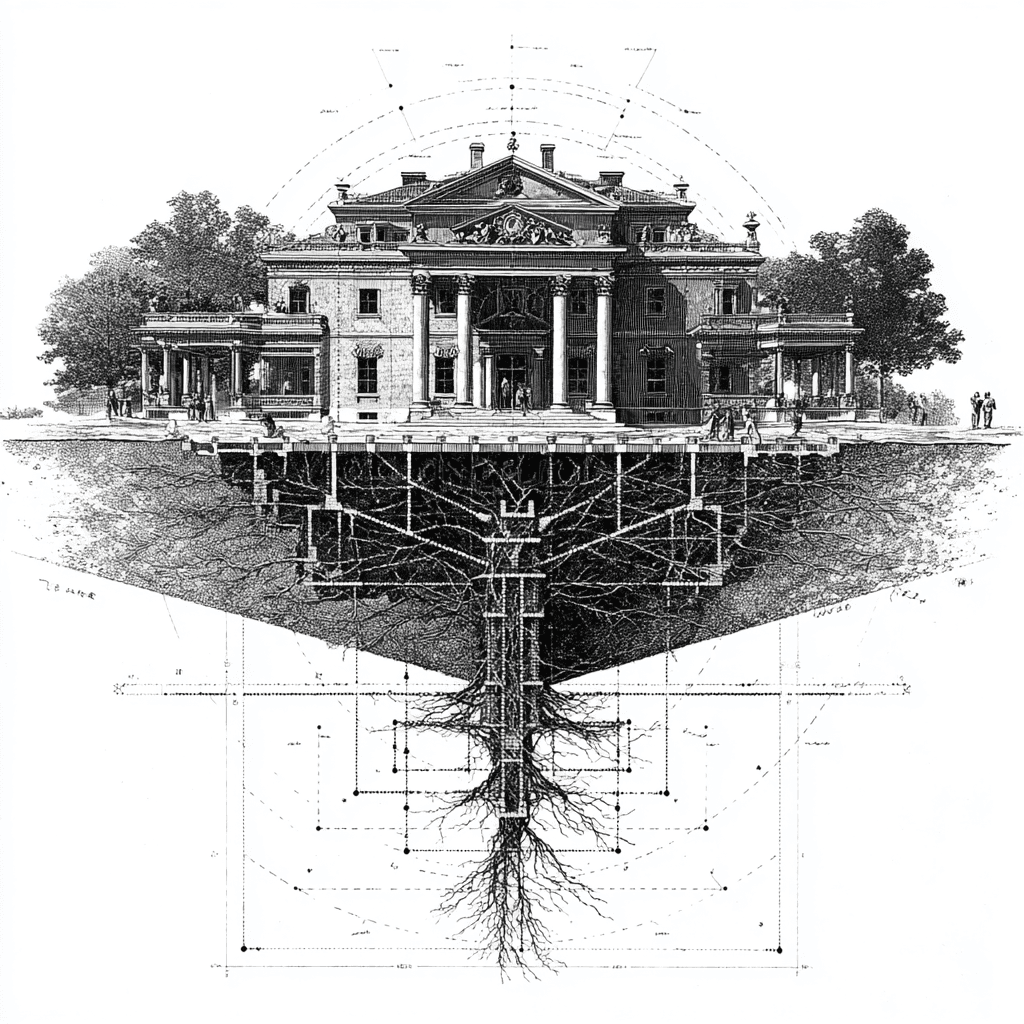
In 1912, J. Pierpont Morgan told Congress that the entire financial system ran on something it could not regulate, audit, or tax: character. Three months later he was dead, and the country began building institutional substitutes that have spent the subsequent century failing to solve the problem he identified. This volume traces the architecture of trust across three thousand years, from Phoenician temples to Morgan's library, from Mesmer's salon to a crushed elevator in an office building, and maps why every trust system ever built contains the seeds of its own failure.
“Is not commercial credit based primarily upon money or property?" "No sir. The first thing is character. Before money or anything else. Money cannot buy it. A man I do not trust could not get money from me on all the bonds in Christendom.”
— J. Pierpont Morgan, Testimony before the Pujo Committee, 1912
Is not commercial credit based primarily upon money or property?" "No sir. The first thing is character. Before money or anything else. Money cannot buy it. A man I do not trust could not get money from me on all the bonds in Christendom.
— J. Pierpont Morgan, Testimony before the Pujo Committee, 1912
In 1912, J. Pierpont Morgan told Congress that the entire financial system ran on something it could not regulate, audit, or tax: character. Three months later he was dead, and the country began building institutional substitutes that have spent the subsequent century failing to solve the problem he identified. This volume traces the architecture of trust across three thousand years, from Phoenician temples to Morgan's library, from Mesmer's salon to a crushed elevator in an office building, and maps why every trust system ever built contains the seeds of its own failure.